Iran vs Israel — Why This Conflict Directly Affects What Indians Pay for Petrol

Most news coverage of the Iran-Israel conflict focuses on the military exchanges, the regional alliances, and the geopolitical implications for the Middle East. All of that is genuinely important. But as someone filling petrol in Chennai at Rs 102 per litre, what I want to understand is the more direct question — how does a conflict between two countries in the Middle East affect what I pay at the pump, what I pay for electricity, and ultimately what I pay for almost everything I buy?
The answer requires understanding a few things about where India's energy comes from and why the Persian Gulf region is so central to it.
Iran's Role in Global Oil
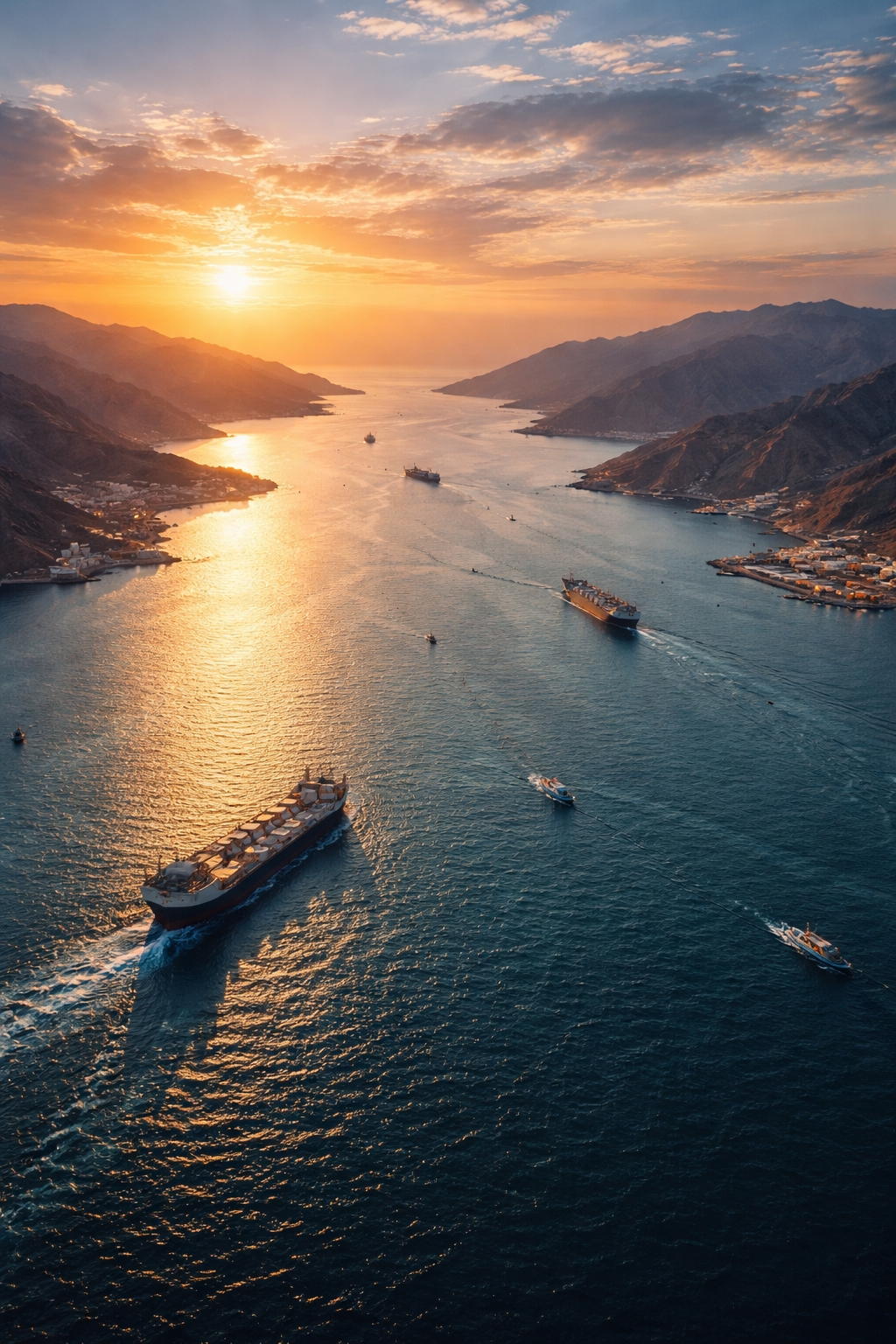
Iran sits on some of the largest proven oil and natural gas reserves in the world — ranked among the top five globally. Even with international sanctions that have significantly restricted its ability to export oil freely, Iran remains an important player in global energy markets. The country's ability to threaten or disrupt oil shipping through the Strait of Hormuz — which I wrote about separately — gives it significant leverage over global oil prices even without physically exporting large quantities of oil itself.
The Iran-Israel conflict creates oil price risk through two primary mechanisms. First, any significant military escalation that draws in other regional powers — particularly Saudi Arabia, which has been moving toward a normalisation of relations with Israel — could disrupt oil production and export from Gulf states. Second, and more immediately, Iranian threats to close or disrupt the Strait of Hormuz in response to Israeli or American military action create risk premiums in oil prices that ripple through to consumers worldwide.
Why Israel Matters for Oil Even Though It Is Not an Oil Producer
Israel itself produces almost no oil. But its conflict with Iran affects global oil prices because of what an escalating Iran-Israel conflict might mean for the broader Middle Eastern security environment. Saudi Arabia, Iraq, Kuwait, and the UAE — the major Gulf oil producers whose exports pass through the Strait of Hormuz — all exist in a region where an Iran-Israel war would create unpredictable security consequences.
Global oil markets price in risk. When the risk of supply disruption increases — even if no actual disruption has occurred — the price of oil rises. The Iran-Israel conflict keeps that risk elevated in ways that maintain a floor under global oil prices that would otherwise be lower.
Every time you fill petrol in India and wonder why the price is what it is, part of the answer is risk pricing in global oil markets — and the Iran-Israel conflict is one of the most persistent sources of that risk right now.
India's Complicated Position
India's relationship with both Iran and Israel makes this conflict particularly complex from an Indian foreign policy perspective. India has historically had warm relations with Iran — cultural, economic, and strategic. India also has increasingly close relations with Israel, particularly in defence technology and agriculture. Indian foreign policy has tried to maintain ties with both, which becomes significantly more difficult as their conflict intensifies.
More practically, India was importing significant quantities of relatively cheap Iranian oil before US sanctions effectively ended that trade. The sanctions forced India to replace Iranian oil with more expensive alternatives from Saudi Arabia and elsewhere — contributing to the elevated petrol prices Indian consumers have experienced. Any resolution of the Iran nuclear issue that allowed Iran to export oil freely again could eventually bring some relief to Indian fuel prices. The Iran-Israel conflict makes that resolution less likely.
What Ordinary Indians Can Do
The honest answer is that ordinary Indians cannot do very much directly about geopolitical events in the Middle East. What we can do is understand the connections — understand why petrol prices in Chennai are linked to events in Tehran and Tel Aviv — so that we make better sense of the world we live in and make better personal financial decisions accordingly.
If petrol prices are structurally elevated because of persistent Middle Eastern instability, that is an argument for considering fuel-efficient vehicles, for thinking seriously about the economics of electric vehicles as they become more affordable in India, and for factoring energy costs into financial planning more seriously than most of us typically do.
Understanding the Strait of Hormuz, the Iran-Israel conflict, and the Russia-Ukraine war as connected influences on Indian daily life is not just intellectually interesting — it is practically useful for anyone trying to navigate personal finances in an economy as exposed to global energy markets as India's is.
Disclaimer: Written by Sooriya. All views are personal. Content is for informational purposes only. This guide is based on research and practical use cases to help users understand the topic better.
Advertisement