India-Pakistan Tensions in 2026 — What Every Indian Should Actually Understand
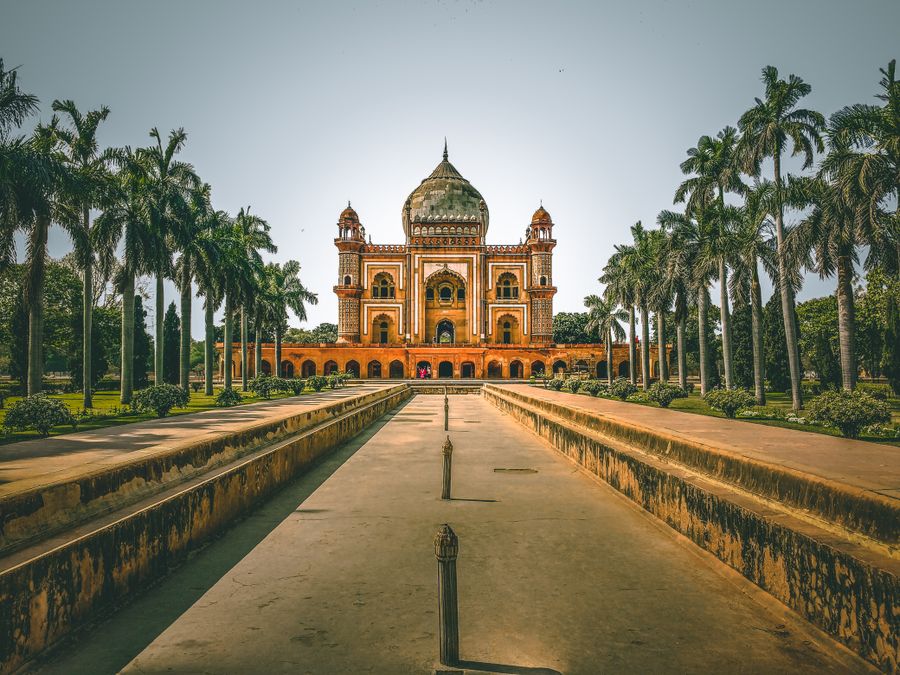
I want to write about this topic carefully. India-Pakistan relations generate more heat than light in most conversations — on social media, in news coverage, and in everyday discussions. People tend to react emotionally rather than think clearly, which is understandable given the history but not particularly helpful for anyone trying to actually understand what is happening and what it means.
I am an IT professional in Chennai. I am not a foreign policy expert or a defence analyst. But I read carefully, I think about what I read, and I want to share what I have understood about the current state of India-Pakistan relations and why it matters for ordinary Indians like me.
The Background That Every Conversation Needs
India and Pakistan have had a deeply troubled relationship since partition in 1947. Three full-scale wars, a limited conflict in Kargil in 1999, and decades of low-level tension across the Line of Control in Kashmir. The nuclear dimension — both countries possess nuclear weapons — means that any significant military escalation carries risks that are categorically different from conventional conflicts between non-nuclear states.
This nuclear reality is the most important context for understanding why, despite decades of hostility and regular crises, both countries have consistently pulled back from full-scale war. The consequences of miscalculation are too severe for either side. This does not make the relationship stable — it makes it a managed instability, which is a very different thing.
What Makes the Current Situation Different
The current period of tension has specific characteristics that distinguish it from previous cycles of India-Pakistan hostility. The domestic political environments in both countries have become more nationalist and less tolerant of diplomatic accommodation. The space for back-channel communication and quiet de-escalation — which has historically been how India and Pakistan have managed crises — has narrowed. Social media has made it harder for governments to make the kinds of quiet compromises that defuse tensions without appearing weak domestically.
The India-Pakistan relationship is not something that gets resolved — it gets managed. The goal of sensible policy on both sides is not peace in any deep sense but the prevention of the kind of escalation that would be catastrophic for both countries and the region.
What It Actually Means for Indians Like Me
Periods of elevated India-Pakistan tension have real economic consequences for India. Defence spending increases. The rupee comes under pressure. Investor sentiment in certain sectors weakens. For someone working in IT in Chennai — where a significant portion of work involves international clients — geopolitical instability in the region creates uncertainty that clients notice and sometimes act on.
The direct physical risk to someone living in Chennai is genuinely low — the geography of any India-Pakistan conflict puts the most acute risks in the northern and western border regions. But the economic and psychological effects of sustained tension ripple across the entire country.
What I Think as an Ordinary Indian
I genuinely want better relations between India and Pakistan. Not for naive or idealistic reasons — but because I believe that the resources both countries spend managing their mutual hostility could produce far more value for the hundreds of millions of ordinary people on both sides if they were spent differently. The talent, the energy, the money — all of it caught in a decades-long strategic impasse that neither side seems capable of escaping.
Whether that is possible in the current political environment — in either country — is a question I cannot answer optimistically. But it is worth saying clearly, as an ordinary Indian who pays attention to the world: the continuation of this conflict serves no one except those whose political identity depends on maintaining it.
Disclaimer: Written by Sooriya. All views are personal. Content is for informational purposes only. This guide is based on research and practical use cases to help users understand the topic better.
Advertisement