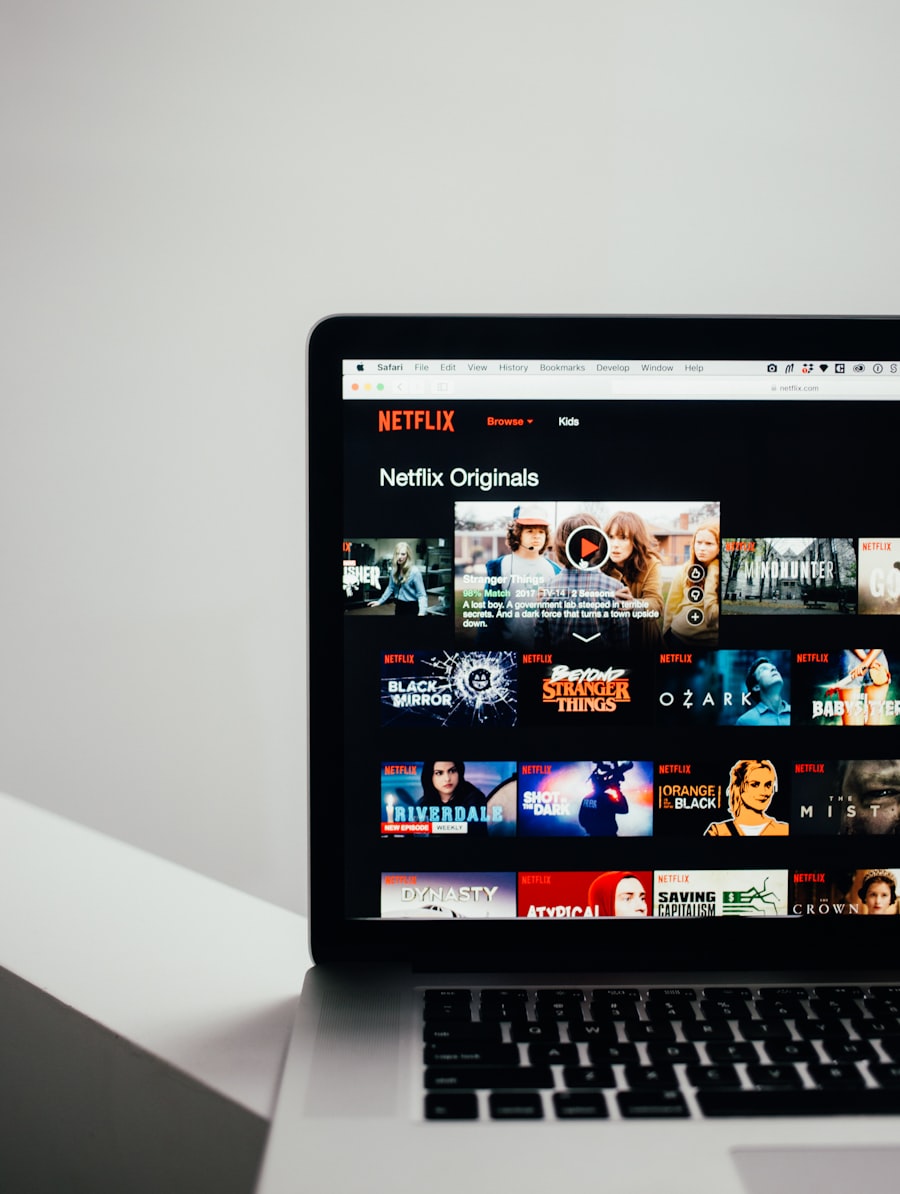
Why I Now Watch More South Indian Films Than Bollywood on Hotstar

Two years ago, my Hotstar watchlist was mostly Bollywood films and IPL cricket. Today, when I open the app looking for something to watch, I almost always end up choosing something Tamil or Telugu. This shift happened gradually and then suddenly, and I think the reasons behind it are worth examining honestly — because they say something real about where Indian cinema is going.
When I Noticed the Change
The moment I clearly remember is watching RRR on my phone one evening, having heard so much about it that curiosity finally overcame my usual inertia. Three hours later, I was sitting there thinking about what I had just watched in a way that a Hindi film had not made me think in years. The ambition of it. The visual scale. The emotional commitment. The fact that it worked as pure entertainment and as something more. I recommended it to everyone I knew the next day.
That was the beginning of a pattern. Film after film from Tamil and Telugu cinema was giving me experiences that comparable Bollywood releases were not delivering. Eventually, I stopped waiting to be persuaded and started actively seeking out what South Indian cinema had to offer.
What South Indian Films Do Differently
The thing I notice most is emotional commitment. Tamil and Telugu films tend to commit fully to whatever they are trying to be. Action films that are genuinely spectacular. Emotional dramas that actually make you feel something. Comedies that trust the writing rather than forcing reactions. Bollywood has become cautious — films designed by calculation to offend nobody and challenge nothing. South Indian cinema, at its best, does not seem to care about that caution.
The best Tamil and Telugu films succeed internationally not because they tried to appeal to an international audience — but because they told their stories with such commitment and confidence that the whole world found something to connect with.
Kamal Haasan — What Changed My View of Indian Cinema
My favourite Tamil actor is Kamal Haasan — which means I have spent a lot of time watching films that challenge you to engage with them seriously. His range, his willingness to take on difficult material, his refusal to be comfortable in any single genre — these qualities shaped what I look for in cinema generally. Films like Nayakan and Anbe Sivam showed me what Indian cinema was capable of when the talent and the ambition lined up. That standard changes what you expect from every film you watch afterward.
What to Watch If You Are New to South Indian Cinema
Start with RRR and Baahubali for scale and spectacle. Then watch Vikram and Master for Tamil action at its current peak. For something more thoughtful, Kamal Haasan's back catalogue on Hotstar is worth your time — Nayakan specifically is one of the finest films ever made in India. Malayalam cinema — The Great Indian Kitchen, Drishyam, Jallikattu — offers a completely different register that rewards patient viewing.
Disclaimer: Written by Karthik. All views are personal. Content is for informational purposes only. This guide is based on research and practical use cases to help users understand the topic better.
Advertisement